Oil & Gas
Full-cycle hydrocarbon operations directed from London, with assets across the UK Continental Shelf and North America.
Reusch's Oil & Gas division is headquartered in London and operates across the entire hydrocarbon value chain — from initial seismic surveys and exploration drilling through to production optimisation, well intervention, and field decommissioning. Our London head office houses the reservoir engineering, well engineering, asset management, and commercial teams that provide technical governance across all three operating regions. As an independent operator, we hold equity licences in the UK Continental Shelf (North Sea Block 16/26) and working interests in the Permian Basin, Texas, with in-country support from our Aberdeen and Houston offices.
Our reservoir engineering team integrates Eclipse black-oil and compositional models alongside Petrel RE with real-world formation data to maximise recovery factors and extend field life. Our UK operations consistently achieve intervention unit costs below £10 per barrel, in line with UKCS 2024 benchmarks.
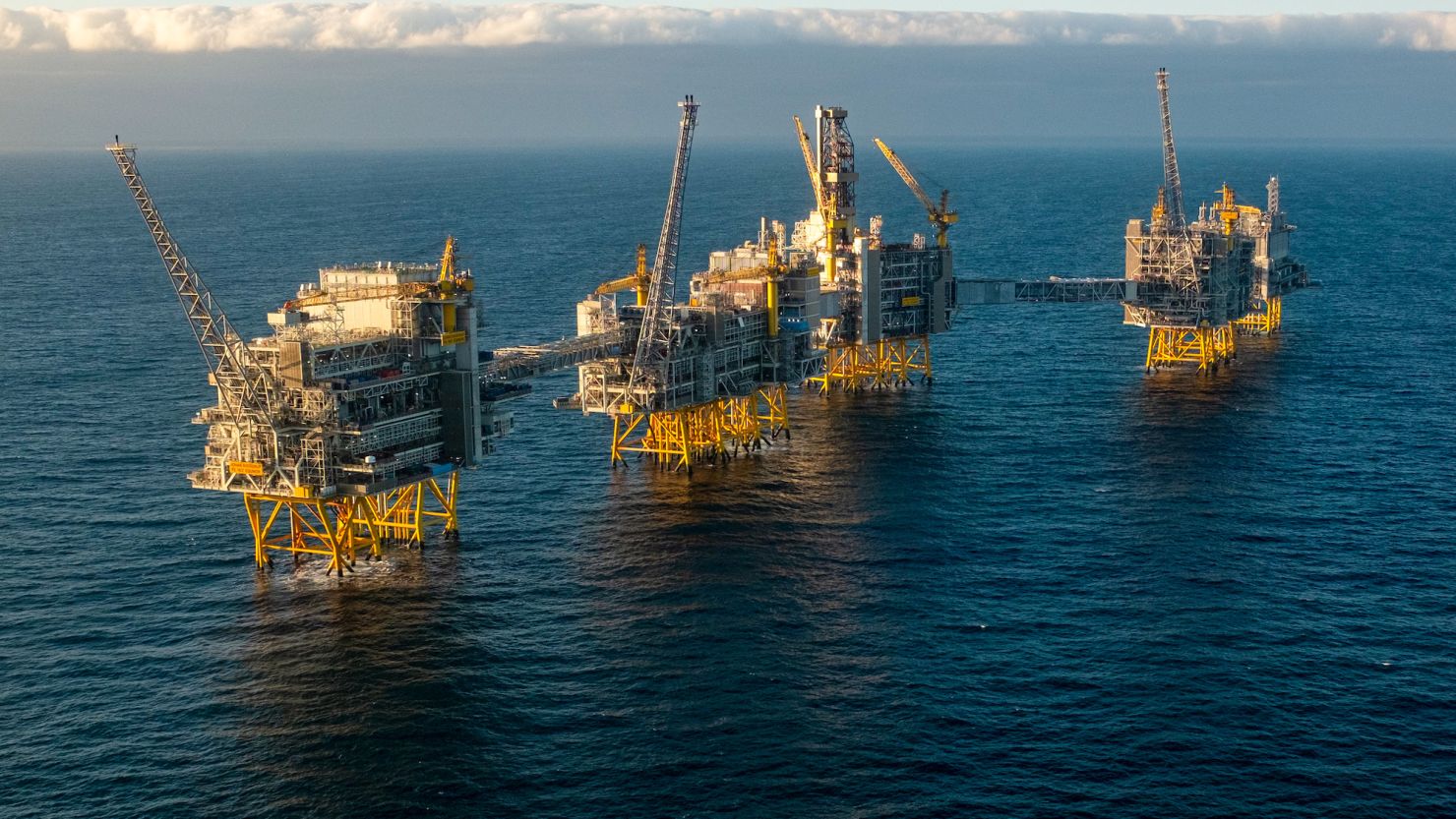
At the Field
Key Capabilities
Seismic interpretation, prospect generation, and AVO attribute analysis
Exploration and appraisal well planning — vertical, deviated, and horizontal
Well completion design: perforating, tubing-conveyed systems, and intelligent completions
Petrophysical analysis and formation evaluation (wireline and LWD)
Reservoir simulation and EOR design: waterflooding, gas injection, and polymer flood
Well intervention and workover engineering: coiled tubing, wireline, and ESP replacement
Production chemistry, flow assurance, and corrosion management
Regulatory compliance: UK NSTA, US BLM, US EPA, and Alberta AER frameworks
Flagship Asset — North Sea Block 16/26
Block 16/26 is a mature oil field in the East Shetland Basin producing from Brent Group sandstone reservoirs at approximately 3,100 metres depth. The field has produced continuously since 1998 from six wells, currently delivering approximately 8,000 barrels of oil per day. A 2021 infill drilling programme extended field economic life to 2038.
The Reusch Endurance fixed steel jacket platform is supported by subsea infrastructure connecting two satellite well templates. Well integrity is maintained under a continuous monitoring programme with biennial corrosion inspection campaigns.
22 MMbbl
Recoverable Reserves
Since 1998
In Production
2038
Field Life Target
Drilling
London-headquartered drilling engineering for the most demanding subsurface environments across the UK, US, and Canada.
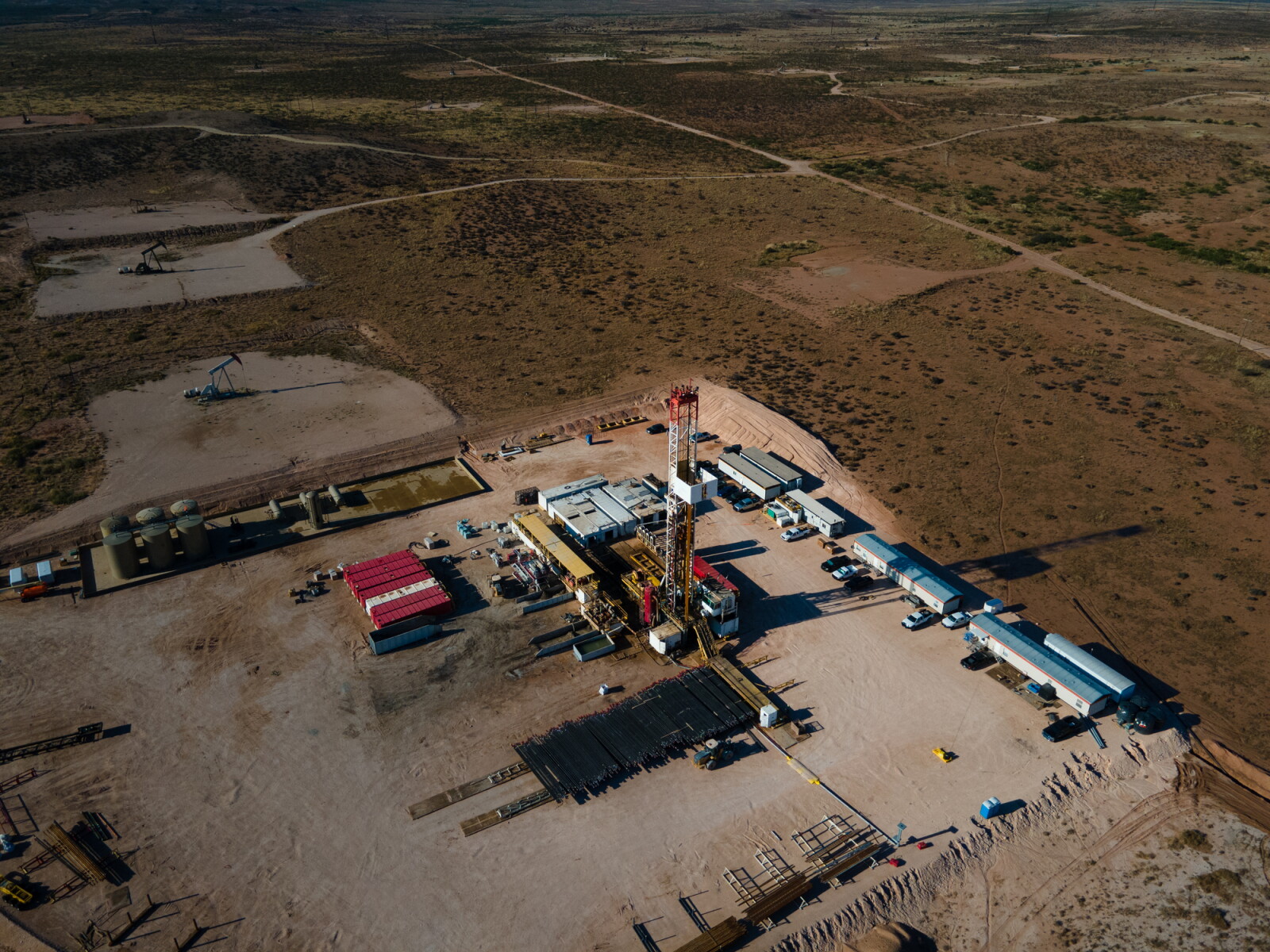
The Reusch Drilling division is headquartered in London and provides end-to-end well construction management — from geological well prognosis and engineering design through to real-time drilling supervision, completion, and post-well evaluation. We construct vertical, directional, horizontal, extended-reach, and multilateral wells in onshore and offshore environments to depths of up to 5,000 metres.
Our BHA configurations deploy high-torque downhole motors paired with PDC bits engineered to formation hardness, delivering superior rates of penetration across clastic, carbonate, and unconventional reservoirs. Four-stage mud cleaning circuits are standard across our rig fleet.
On Location
Key Capabilities
Directional, horizontal, and extended-reach well planning (ERD to 8 km)
High-torque downhole motor and PDC bit selection optimised to formation lithology
Real-time MWD/LWD surveillance: gamma, resistivity, neutron/density, and sonic
Four-stage drilling fluid management: shale shaker, desander, desilter, and centrifuge
Casing design, centralisation, and primary cementing across all well architectures
Self-swelling packer liner systems for producing-horizon isolation without cementing
Oriented core and multi-section core acquisition (67 mm, 80 mm, and 100 mm tools)
Underbalanced, managed-pressure, and dual-gradient drilling
Offshore fixed platform, jack-up, and semi-submersible rig operations
Hydrodynamic formation testing and downhole pressure/fluid sampling
Technical Approach
Reusch's drilling teams operate a proprietary Digital Well Surveillance platform that aggregates real-time MWD/LWD data, torque and drag modelling, hydraulics calculations, and drilling parameter logs into a single engineer-facing dashboard. Smart algorithms flag dysfunction events before they escalate, enabling continuous rate-of-penetration optimisation throughout the well.
On the North Sea Block 16/26 infill programme, the platform delivered an average NPT rate under 2% across three wells. In the Delaware Basin, lateral drilling performance achieved a P50 mechanical ROP of 38 m/hr — top quartile for peer operators in Reeves County.
340+
Wells Drilled
<2%
NPT Rate
62°
Max Inclination (deg)
Mining
London-headquartered mineral extraction across Western Canada, governed by UK technical leadership and Canadian in-country operations.
Reusch Mining was established in 2019 as a London-headquartered division of the Reusch Group, extending the company's subsurface engineering expertise into hard-rock and soft-rock mineral extraction. Technical direction is provided by our London head office, with in-country operations managed from our Calgary base. Current projects span copper and nickel sulphide deposits in Western Canada and industrial mineral licences in Alberta.
Exploration and resource definition are led by our London-based geoscience team using a multi-method approach: geological mapping, geochemical sampling, airborne geophysics, and targeted diamond and RC drilling programmes. Orebody geometry and grade distribution are defined using computer geological modelling to optimise blast patterns, dig sequences, and mineral recovery, in compliance with NI 43-101 Canadian securities reporting standards.
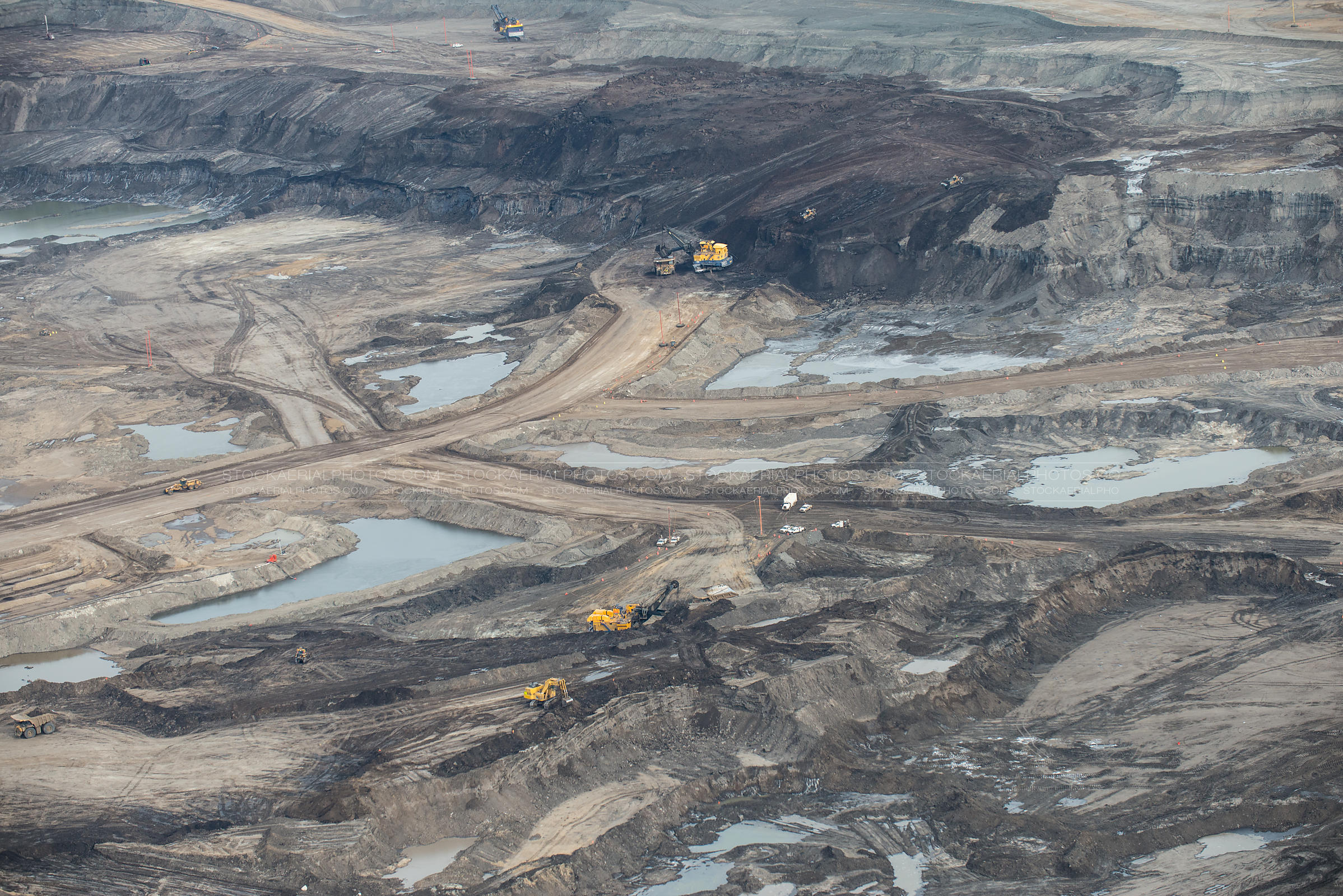
Extraction method selection is driven by orebody geometry, depth, and grade distribution. Shallow deposits are developed as open-pit operations; higher-grade or deeper mineralisation is accessed via vertical shaft sinking or spiral decline construction with ground support systems incorporating rock bolts, shotcrete, and cement-paste backfill.
At the Site
Key Capabilities
Regional exploration: geochemistry, airborne EM and magnetics, trenching, and core drilling
NI 43-101 compliant resource estimation, geological modelling, and orebody characterisation
Open-pit design: blast pattern optimisation, haul fleet planning, and slope stability monitoring
Underground access design: shaft sinking, spiral decline construction, and stope sequencing
Ore processing: heap leaching, cyanide leaching circuits, and carbon-in-leach (CIL) systems
Refractory ore treatment via autoclave high-pressure oxidation and rotary roasting
Flotation circuits for copper and base metal sulphide recovery
Gravity separation and coarse gold recovery prior to leach
Tailings storage facility engineering with impermeable liner and geotechnical monitoring
Water management: mine dewatering, 80%+ process water recycling, and discharge treatment
Progressive reclamation and NI-standard mine closure planning from initial feasibility
Regulatory permitting: NRCan, Alberta AER, BC EMLI, and UK FCDO overseas investment compliance
Environmental & Community Commitment
Closure and reclamation planning at Reusch Mining begins during the earliest feasibility stage and is updated continuously throughout mine life. Our London sustainability team conducts annual audits of each site's environmental management system. Progressive reclamation is applied as soon as ground is no longer operationally required.
Water management is a primary operational discipline: process water recycling targets exceed 80% across all active sites. We engage local communities and indigenous rights-holders from the earliest project stages through to post-closure.
2019
Division Founded
3
Active Mineral Licences
100%
Sites with Reclamation Plans